
Courses for Flight Crew
Browse our current catalogue of CoolMPAT e-learning courses for Flight Crew, designed to support operational safety, recurrent knowledge and structured professional development.

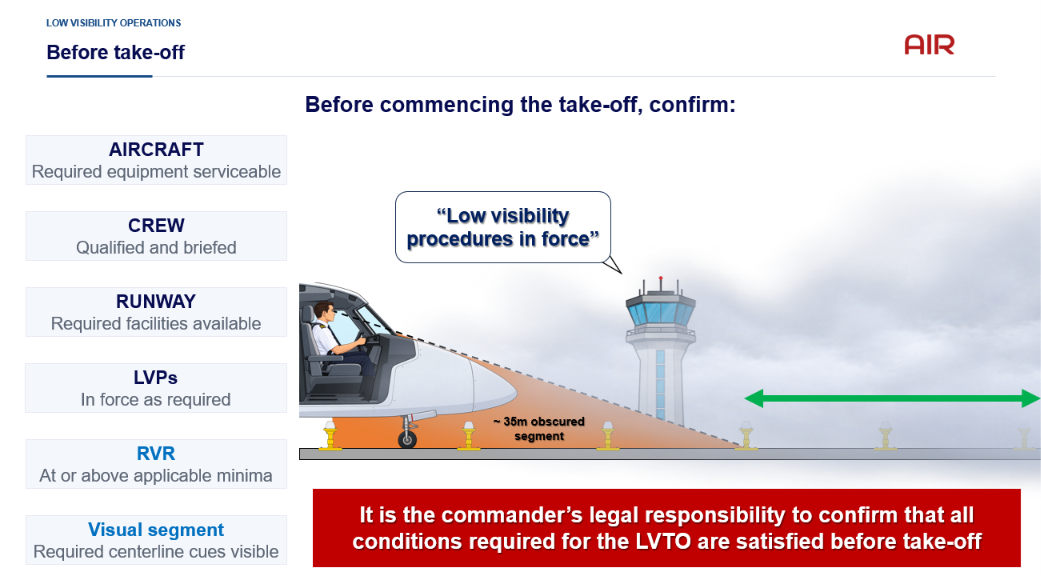
01 - Low Visibility Operations (LVO)
Principles, procedures and operational considerations for safe flight operations in low visibility conditions.
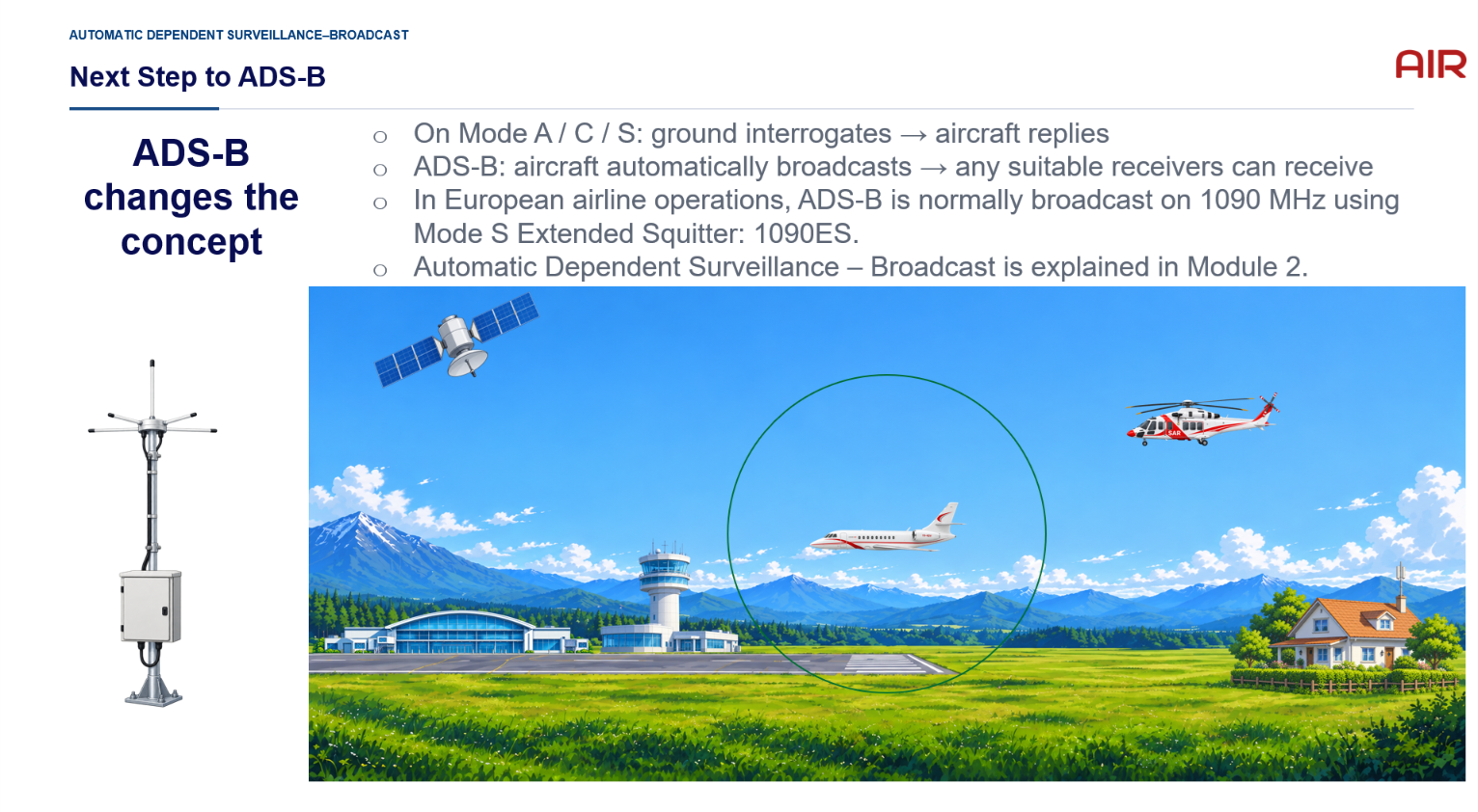
02 - Automatic Dependent Surveillance–Broadcast (ADS-B)
The principles, functions and operational significance of ADS-B in modern air traffic surveillance.
03 - Traffic Collision Avoidance System (TCAS)
System operation, traffic alerts and appropriate crew responses to resolution advisories.

04 - Performance Based Navigation (PBN)
The concepts, applications and operational use of modern navigation specifications and procedures.
05 - Enhanced Ground Proximity Warning System / Terrain Awareness and Warning System (EGPWS / TAWS)
System logic, alerts and crew responses that help prevent controlled flight into terrain.
06 - Controlled Flight Into Terrain (CFIT)
Risk factors, typical scenarios and practical defences to reduce the likelihood of CFIT events.
07 - Volcanic Ash
Recognition of volcanic ash hazards and the operational actions needed to avoid unsafe exposure.
08 - All Weather Operations
Procedures, approvals and decision-making considerations for operations in a wide range of weather conditions.
09 - Pilot Incapacitation
Recognition, management and operational handling of pilot incapacitation in flight and on the ground.
10 - Windshear Avoidance and Upset Recovery
Threat recognition, avoidance strategies and recovery actions for windshear and aircraft upsets.
11 - Upset Prevention and Recovery Training (UPRT)
Core principles of upset prevention, recognition and recovery to maintain aircraft control.
12 - Thunderstorm Avoidance
The hazards associated with thunderstorms and the practical strategies used to avoid them safely.
13 - First Aid and Aeromedical Topics
Essential first aid knowledge and aeromedical considerations relevant to commercial flight operations.
14 - North Atlantic High Level Airspace (NAT HLA)
Operational requirements, procedures and communication practices for flights in NAT HLA airspace.
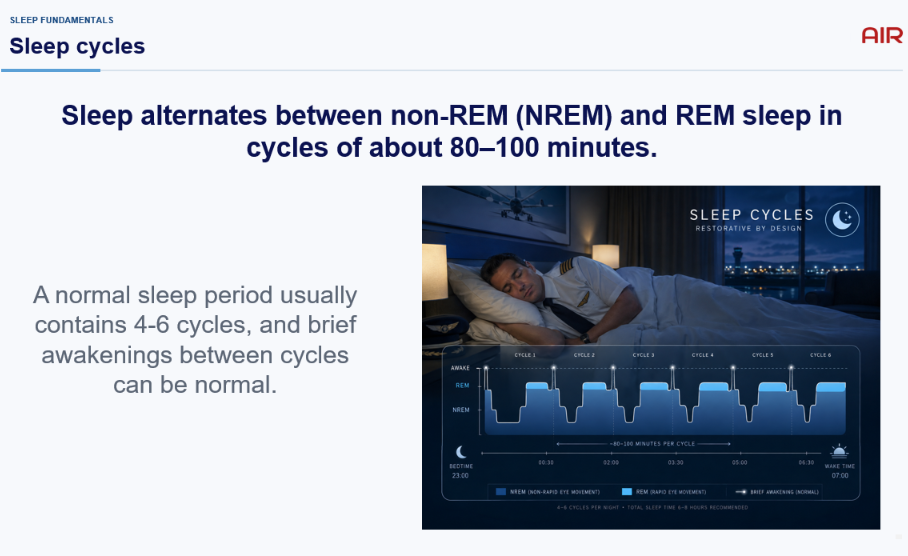
15 - Fatigue Risk Management (FRM)
Understanding fatigue, its effects on performance, and practical strategies for managing fatigue-related operational risk.
16 - Flight Time Limitations (FTL)
The structure, purpose and practical application of flight time limitation requirements.
17 - Fuel and Energy Scheme
Fuel planning concepts and in-flight fuel management principles that support safe operational decision-making.
18 - Reduced Vertical Separation Minimum (RVSM)
Requirements, approvals and operating practices associated with RVSM airspace.
19 - Winter Operations
Operational hazards, aircraft contamination and safe practices for cold weather and winter conditions.
20 - Aviation Security
Security threats, preventive measures and crew responsibilities within the aviation security framework.
21 - Controller–Pilot Data Link Communications (CPDLC)
System use, message handling and operational procedures for controller–pilot data link communications.
Interested in these courses?
Request a demo to see how CoolMPAT can deliver structured e-learning for Flight Crew training.